Best Time to Go Birdwatching in Morocco: A Season-by-Season Guide
Morocco is a year-round birdwatching destination, but the best time to go birdwatching in Morocco depends on what you want to see.
Spring brings northbound migration and active breeding birds. Autumn is excellent for southbound migrants, raptors, and waterbirds. Winter can be particularly productive around wetlands and coastal habitats, while summer is surprisingly rewarding for birders concentrating on the Sahara and its specialized desert species.
The reason Morocco works so well across the calendar is its geography. The country sits between Europe and Africa and contains an extraordinary range of habitats, from Atlantic lagoons and wetlands to cedar forests, high mountain valleys, rocky plateaus, and the Sahara Desert. Wild Bird Watching Morocco identifies spring and autumn as the principal migration periods, while noting that every season offers its own birding opportunities.
So, when should you actually book your trip?
This season-by-season guide explains what to expect, which habitats to prioritize, which birds are most interesting at different times of year, and how to choose the right season for your Morocco birdwatching holiday.
Quick Answer: What Is the Best Time for Birdwatching in Morocco?
If you want one simple answer, spring and autumn are the best overall seasons for birdwatching in Morocco.
However, the ideal month depends on your target species and itinerary.
|
Season |
Best For |
Main Highlights |
|
Spring: March–May |
Migration & breeding birds |
Migrants, breeding activity, mountain species |
|
Summer: June–August |
Desert birding |
Saharan specialists, early-morning birding |
|
Autumn: September–November |
Migration & raptors |
Southbound migrants, raptors, waterbirds |
|
Winter: December–February |
Wetlands & coastal birding |
Waders, wildfowl, gulls, wintering birds |
For a first comprehensive birding trip, April–May and September–October are particularly attractive choices because they combine strong bird activity with relatively comfortable conditions in many parts of the country.
But there is an important distinction: the best season for birdwatching is not necessarily the best season for every bird.
Spring Birdwatching in Morocco: March to May
Why Spring Is One of the Best Seasons
Spring is arguably the most exciting season for a Morocco birding holiday.
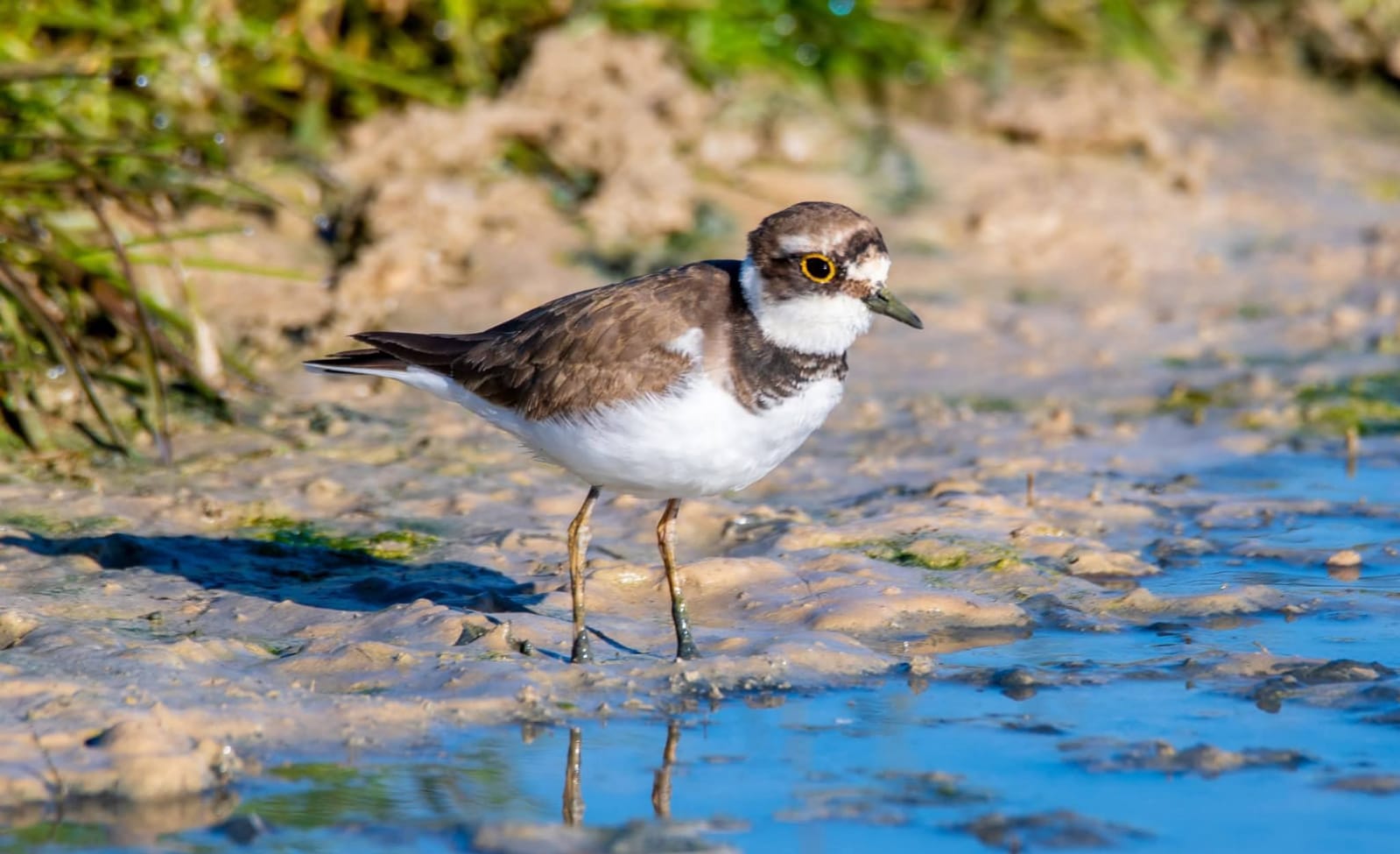
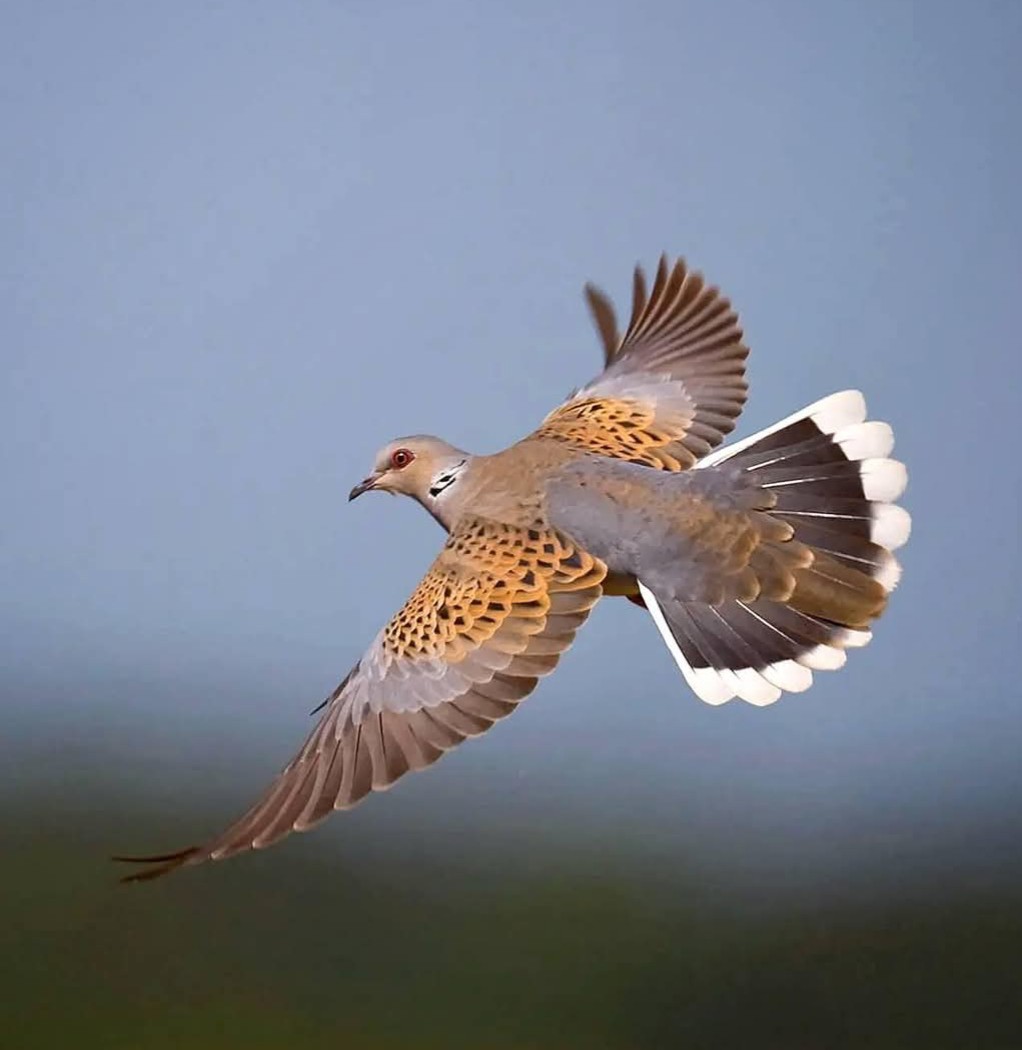
As temperatures rise, resident birds become increasingly active, breeding behavior begins, and migratory birds move north toward their European breeding grounds.
Morocco’s position between Europe and Africa makes this particularly significant. Migratory birds cross or pass around the Strait of Gibraltar before spreading across the country, making spring an excellent period for seeing a mixture of resident and migrant species.
For birders who want variety, spring is difficult to beat.
What Can You See in Spring?
Depending on your route, you may encounter:
- Moussier’s Redstart
- Levaillant’s Woodpecker
- Northern Bald Ibis
- Atlas Wheatear
- Raptors
- Warblers
- Waders
- Swallows and other migrants
- Various woodland and mountain species
The High and Middle Atlas become particularly interesting during spring. The cedar forests around Azrou and Ifrane support species such as Levaillant’s Woodpecker, while higher elevations can produce Atlas Wheatear, Crimson-winged Finch, and Moussier’s Redstart.
March
March marks the beginning of a major transition.
Early spring can still feel cool in the mountains, while southern and coastal regions are becoming increasingly mild.
This makes March a good month for travelers who want to combine birdwatching with broader sightseeing without the intense heat of summer.
April
April is one of the strongest choices for a general Morocco birdwatching trip.
Migration is well underway, resident birds are active, and many landscapes are greener than they will be later in the year.
If you are visiting for the first time and want a balance between species diversity and pleasant conditions, April deserves serious consideration.
May
May can be excellent for breeding activity and mountain birding.
However, temperatures begin rising, particularly in inland and southern Morocco. Early starts become increasingly important.
For bird photographers, spring mornings can provide beautiful light and active birds before temperatures become uncomfortable.
Discover Morocco Through Birdwatching
Discover Morocco’s best birdwatching destinations with expert-guided tours designed for bird lovers, photographers, and wildlife enthusiasts.
Summer Birdwatching in Morocco: June to August
At first glance, summer may not seem like the obvious season for birdwatching in Morocco.
It can be extremely hot, particularly in Marrakech, the interior, and the Sahara.
But that does not mean summer should be dismissed.
Summer Is Best for Desert Specialists
Wild Bird Watching Morocco specifically highlights summer as an ideal season for Saharan specialists.
The desert becomes a different kind of birding environment.
Instead of concentrating primarily on migration, birders can focus on species adapted to extreme heat and arid landscapes.
Potential targets include:
- Desert Sparrow
- Desert Warbler
- Cream-coloured Courser
- Crowned Sandgrouse
- Spotted Sandgrouse
- Pharaoh Eagle-Owl
- Egyptian Nightjar
The Sahara habitats around Merzouga and the surrounding hamadas are particularly important for desert-adapted birds.
The Key to Summer Birding: Start Early
If you visit Morocco in July or August, do not plan your main birding walk for midday.
Instead:
05:30–09:00: Prime birding period
09:00–11:00: Continue selectively depending on conditions
Midday: Rest, travel, or indoor activities
Late afternoon–sunset: Second productive period
Exact sunrise times vary by date and location, but the principle remains the same: bird early and avoid unnecessary exposure during the hottest part of the day.
Is Summer Good for Beginners?
Yes, if the itinerary is designed properly.
A beginner may actually enjoy summer desert birding because the target habitats are visually distinctive. Your guide can teach you where to search for birds around tamarisk, water sources, rocky outcrops, and open gravel areas.
The main challenge is heat rather than birding difficulty.
Autumn Birdwatching in Morocco: September to November
Why Autumn Is Excellent
Autumn is another peak season.
Birds begin moving south again, creating opportunities to see migrants passing through Morocco toward their African wintering grounds.
Wild Bird Watching Morocco identifies September to November as a key period for southbound raptors and waterfowl.
This makes autumn particularly appealing to birders who enjoy migration.
September
September can still be very warm, especially inland and in the desert.
However, the weather gradually becomes more comfortable as the month progresses.
It is a useful transition month if you want to combine desert birding with the beginning of autumn migration.
October
October is arguably one of the strongest all-round months.
Temperatures are generally more manageable than in summer, while migration can make coastal wetlands, mountain areas, and open landscapes highly productive.
For a traveler trying to choose between April and October, both are excellent options. The choice often comes down to the species you want to target and whether you prefer spring migration or autumn migration.
November
November is a particularly interesting month for coastal and wetland birding.
Wintering birds begin arriving, while some autumn migrants may still be passing through.
The combination of migration and winter visitors can make Atlantic wetlands highly rewarding.
Winter Birdwatching in Morocco: December to February
Winter is sometimes overlooked by travelers planning a Morocco birding holiday.
That is a mistake.
Wild Bird Watching Morocco notes that winter brings impressive concentrations of wildfowl and waders to Moroccan wetlands.
For birders interested in waterbirds, winter can therefore be one of the most productive periods of the year.
Where to Go in Winter
Focus on:
- Atlantic lagoons
- Estuaries
- Wetlands
- Coastal marshes
- Sheltered bays
- River mouths
Oualidia is one of the coastal habitats highlighted by Wild Bird Watching Morocco, with flamingos, spoonbills, and Audouin’s Gulls among the birds associated with its lagoon environment.
The Souss-Massa area is also particularly valuable because its combination of wetlands, dunes, reed beds, and coastal habitats can produce diverse birdlife.

Winter in the Mountains
Mountain birding is still possible, but conditions can be considerably colder at elevation.
If your itinerary includes the Middle or High Atlas, pack appropriate layers rather than assuming Morocco will be warm everywhere.
The temperature difference between Marrakech, the Sahara, and mountain locations can be substantial.
Best Season by Birding Interest
Instead of asking only “When is the best time?”, consider what you actually want to see.
Best Time for Northern Bald Ibis
The Northern Bald Ibis is one of Morocco’s signature species and is associated particularly with the Atlantic coast and Souss-Massa region.
Spring can be especially interesting because of breeding activity, but the species is a year-round resident in Morocco.
If this is your main target, location and local knowledge are more important than choosing one specific month.
Best Time for Moussier’s Redstart
Spring is an excellent choice for mountain birding, particularly when combining the High Atlas with other Moroccan habitats.
The species is one of the birds that makes Morocco particularly attractive to international birders.
Best Time for Levaillant’s Woodpecker
For woodland birding, spring is particularly rewarding.
The cedar forests around Azrou and Ifrane provide important habitat, and combining these areas with other Atlas locations gives you the opportunity to target several mountain and woodland species during the same trip.
Best Time for Desert Sparrow
For dedicated desert birding, summer can be highly productive, although early morning and late-afternoon schedules are essential.
The species is one of the signature birds highlighted by Wild Bird Watching Morocco.
Best Time for Raptors
Autumn is particularly attractive because of southbound migration.
Spring can also be productive as birds move north.
If raptor migration is one of your priorities, build your itinerary around known migration corridors and ask a local guide about the best locations for your travel dates.
Best Time for Waterbirds
Winter and the migration seasons are excellent choices.
Atlantic wetlands and lagoons can support significant numbers of waders, gulls, wildfowl, flamingos, and other waterbirds.
Best Time for Bird Photography in Morocco
Bird photography is possible throughout the year, but some seasons offer particularly attractive conditions.
Spring Photography
Spring provides:
- Active birds
- Breeding behavior
- Green landscapes
- Migratory species
- Soft morning light
Autumn Photography
Autumn offers:
- Migrating birds
- Raptors
- Comfortable morning temperatures
- Dramatic landscapes
- Excellent coastal conditions
Winter Photography
Winter can be particularly good for waterbird photography because birds gather around wetlands and lagoons.
Summer Photography
Summer offers spectacular desert light, especially around sunrise and sunset.
Wild Bird Watching Morocco specifically designs bird photography experiences around light, vehicle positioning, access to reliable perches, and photography-friendly conditions.
If photography is your primary goal, season matters—but time of day and location can matter just as much.
Best Time to Visit Different Moroccan Birding Habitats
|
Habitat |
Best Seasons |
Birds & Highlights |
|
Atlantic wetlands |
Autumn–winter–spring |
Waders, gulls, flamingos, spoonbills |
|
Souss-Massa |
Year-round |
Northern Bald Ibis, wetland and coastal species |
|
Middle Atlas forests |
Spring–autumn |
Levaillant’s Woodpecker, woodland species |
|
High Atlas |
Spring–summer–early autumn |
Moussier’s Redstart, Atlas Wheatear |
|
Sahara |
Spring–autumn–summer |
Desert Sparrow, courser, sandgrouse |
|
Southern valleys |
Spring–autumn |
Raptors, rock and valley species |
The exact species mix changes with weather, migration, habitat conditions, and the route you follow.
How Long Should a Morocco Birding Trip Be?
Your ideal trip length depends on how ambitious your species list is.
3–5 Days
A short trip can work if you focus on one region.
This is particularly suitable for travelers who are already visiting Morocco for another reason and want to add a concentrated birding experience.
Wild Bird Watching Morocco offers a 5 Days Birding Tour Morocco from Marrakech as one of its shorter dedicated birding options.
7–10 Days
Seven to ten days provides considerably more flexibility.
You can combine mountain, desert, and other habitats instead of spending the entire trip in one ecosystem.
The site’s 7 Days Morocco Atlas & Sahara Birding Tour from Marrakech and 10 Days Morocco Atlas, Sahara & Souss Birding Tour from Marrakech are examples of itineraries designed around multiple birding environments.
14 Days
For serious birders who want broad habitat coverage and a larger species list, a two-week itinerary makes more sense.
Wild Bird Watching Morocco lists a 14 Days Morocco Birding Tour — Atlas, Sahara Edge & Souss Region for travelers looking for a more comprehensive experience.
Which Month Should You Choose?
Here is the simplest way to decide:
Choose March or April if you want spring migration, breeding activity, and mountain birding.
Choose May if you want active birds and increasingly warm conditions without the full intensity of summer.
Choose June, July, or August if desert specialists are your priority and you are comfortable with heat.
Choose September or October if migration and raptors are your main interests.
Choose November if you want a transition between autumn migration and winter wetland birding.
Choose December, January, or February if waterbirds, waders, and coastal wetlands are your priority.
Practical Tips for Planning Your Birdwatching Trip
Book Around Your Target Species
Do not choose your dates first and your target birds second.
If your dream species is the Northern Bald Ibis, Levaillant’s Woodpecker, or Desert Sparrow, start with the species and build the itinerary around its habitat.
Plan for Early Mornings
This is particularly important in summer.
The first few hours after sunrise are often among the most productive periods of the day.
Allow Flexibility
Wildlife does not follow a fixed timetable.
Weather, wind, temperature, water levels, and local conditions can all affect bird activity.
A flexible itinerary gives your guide room to adapt.
Use a Local Guide
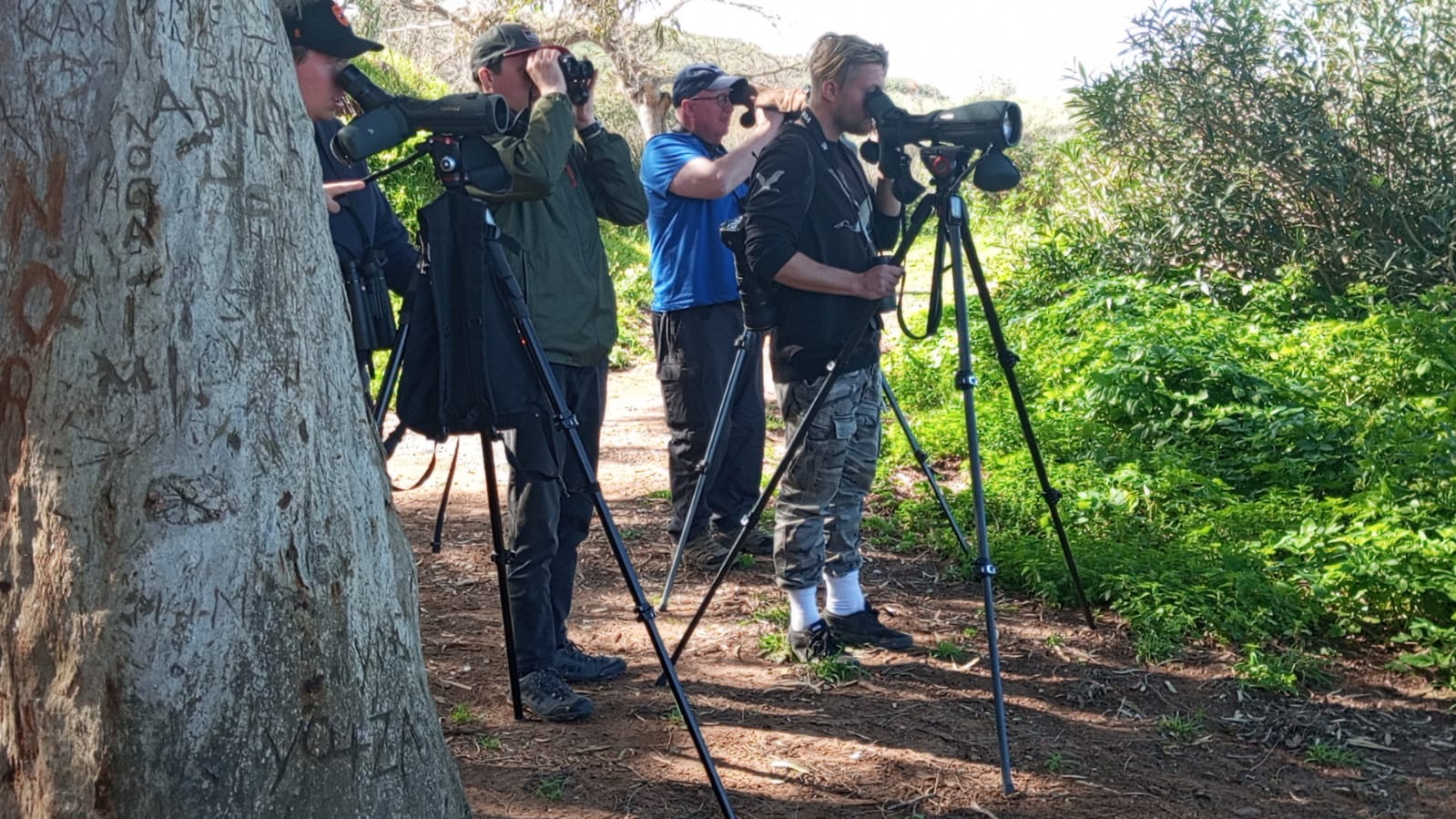
A local guide can make a major difference, particularly when your trip is built around target species.
Wild Bird Watching Morocco states that its guides adapt tours to different experience levels and keep groups to a maximum of six participants, with private tours also available.
Do Not Chase a Species at the Expense of the Experience
A good birding trip is not only about the number of species on your checklist.
The landscape, local culture, photography opportunities, and unexpected sightings are all part of the experience.
FAQ's
What is the best month for birdwatching in Morocco?
April and October are excellent all-round choices because they combine strong bird activity with generally favorable conditions. However, the best month depends on your target species and the habitats included in your itinerary.
Is winter a good time for birdwatching in Morocco?
Yes. Winter is particularly good for wetlands, waders, wildfowl, gulls, and other wintering birds. Atlantic coastal habitats can be especially productive.
Is summer too hot for birdwatching in Morocco?
Not necessarily. Summer is well suited to dedicated Sahara birding, but schedules should focus on early morning and late afternoon to avoid the hottest part of the day.
What is the best season for bird migration in Morocco?
Spring and autumn are the two major migration seasons. Spring brings northbound migrants, while autumn brings southbound migrants, including raptors and waterbirds.
Can I see Northern Bald Ibis all year?
The species is present in Morocco year-round, so you do not need to restrict your trip to one particular season. However, spring can offer interesting breeding-season behavior.
How many bird species can I see on a Morocco birding tour?
According to Wild Bird Watching Morocco, experienced birders on comprehensive 10–14 day tours covering multiple habitats can regularly record around 200–280 species, while shorter 5–7 day Sahara-focused trips may produce approximately 120–160 species. Actual results vary with season, weather, route, and birding experience.
Morocco is a year-round birdwatching destination, but the best time to visit depends on the species and habitats you want to experience. Spring and autumn are the strongest seasons for migration and overall bird diversity, winter is excellent for wetlands and waterbirds, while summer can be particularly rewarding for birders interested in Sahara specialists. For most first-time visitors, April and October offer an excellent balance of bird activity, weather, and habitat variety.
If you want to explore Morocco’s birdlife with experienced local guides, choosing an itinerary that matches the season can make your trip much more rewarding. From the Atlantic wetlands and Atlas Mountains to the Sahara and Souss-Massa region, a well-planned birdwatching tour gives you the opportunity to discover a wide range of Moroccan species while enjoying the country’s landscapes along the way.