Morocco Birding Safari: What to Expect on Your Wild Bird Adventure
A Morocco birding safari is very different from a conventional wildlife safari.
There are no large vehicles crossing open grasslands in search of lions or elephants. Instead, the adventure unfolds slowly: an early morning walk through a cedar forest, a scan of rocky mountain slopes for a wheatear, a stop beside a desert oasis, or hours spent watching wetlands where hundreds of waterbirds gather.
Morocco is particularly rewarding because its landscapes change dramatically over relatively short distances. The Atlas Mountains, Sahara Desert, Atlantic wetlands, coastal lagoons, rocky valleys, agricultural areas, and oases all support different bird communities. This makes it possible to see species that would normally require several separate trips to different regions.
A good birding safari is therefore not simply about how many birds you see. It is about where you go, when you go, how long you spend watching, and how well the itinerary matches the species you want to find.
If you are considering your first birdwatching adventure in Morocco, here is what you can realistically expect.
What Is a Morocco Birding Safari?
A birding safari is a wildlife-focused journey designed around observing birds in their natural habitats.
In Morocco, this usually means traveling between several bird-rich regions rather than staying in one reserve.
A typical itinerary may combine:
- High Atlas mountain habitats
- Middle Atlas cedar forests
- Southern valleys and gorges
- Desert plains and hamadas
- Sahara oases
- Atlantic wetlands
- Coastal lagoons
- Agricultural landscapes
The exact combination depends on the length of your trip and your target species.
A short safari might concentrate on the Atlas Mountains and desert. A longer expedition can add the Atlantic coast, Souss-Massa, Anti-Atlas, and Middle Atlas.
This diversity is one of Morocco’s biggest advantages for birdwatchers.
Why Morocco Is Such an Interesting Birding Destination
Morocco occupies an unusual geographical position between Europe and Africa.
Its northern location makes it part of the Western Palearctic, while its southern landscapes are strongly influenced by the Sahara and North Africa. The Atlantic coast also creates important wetland and coastal habitats.
Migration adds another dimension.
During spring and autumn, many birds moving between Europe and Africa pass through or stop in Morocco. Wetlands can become important resting and feeding areas, while mountain passes and coastal regions can be productive for migrants.
At the same time, Morocco has resident species and regional specialties that make a trip worthwhile outside migration periods.
This means your experience can change considerably depending on the month you travel.
What Birds Can You Expect to See?
One of the best things about a Morocco birding safari is the variety of species associated with different landscapes.
You may encounter familiar European birds alongside species that are much more strongly associated with North Africa.
Some of the most sought-after targets include:
- Northern Bald Ibis
- Moussier’s Redstart
- Levaillant’s Woodpecker
- Desert Sparrow
- Atlas Wheatear
- Cream-coloured Courser
- Pharaoh Eagle-Owl
- Audouin’s Gull
- Tristram’s Warbler
- Crimson-winged Finch
- Maghreb Lark
- Black-crowned Tchagra
Not every species occurs everywhere, which is why choosing the right route is so important.
A birder searching for Levaillant’s Woodpecker should be thinking about cedar forests, while someone hoping to see Desert Sparrow needs to spend time in appropriate southern habitats.
Your Safari Usually Starts Early
If you are not used to birdwatching, one of the first things that may surprise you is how early the day begins.
Birding often starts around sunrise.
This is not simply because birdwatchers enjoy waking up early. Birds are generally more active during the cooler hours of the morning, particularly in warmer parts of Morocco.
Early morning can offer:
- More bird activity
- Better visibility
- Softer light
- Cooler temperatures
- Fewer people
- Better opportunities to hear bird calls
In the Sahara and southern Morocco, an early start becomes even more valuable during warmer months.
Instead of spending the hottest part of the day walking around searching for birds, a good itinerary may use midday for lunch, driving, rest, or accommodation before another birding session later in the afternoon.
Birding in the High Atlas Mountains
The High Atlas is one of the most exciting parts of a Morocco birding safari because altitude changes the bird community.
As you climb away from the plains, the landscape becomes increasingly rocky and mountainous.
At higher elevations, birders can search for species such as:
- Moussier’s Redstart
- Atlas Wheatear
- Crimson-winged Finch
- Rock Sparrow
- Alpine Chough
- Blue Rock Thrush
- Atlas Horned Lark
Oukaimeden is particularly well known among birdwatchers because of its high-altitude habitats.
The mountain environment can also be visually spectacular.
You may be scanning a rocky slope for a small bird while surrounded by enormous Atlas peaks. This combination of wildlife and landscape is one reason Morocco works so well for nature-focused travel.
For travelers with limited time, a dedicated High Atlas birdwatching experience can also work as a shorter introduction rather than committing to a full multi-region safari.
Exploring the Middle Atlas Cedar Forests
The Middle Atlas offers a completely different birding experience.
Around areas such as Azrou and Ifrane, cedar forests provide habitat for woodland species that you will not encounter in the open desert.
One of the major targets is Levaillant’s Woodpecker.
This is one of those birds where patience matters.
Woodpeckers can move through dense vegetation, and simply walking through a forest hoping to see one is not always effective. Listening for calls and drumming, watching suitable trees, and understanding where the species is likely to feed can greatly improve your chances.
The forests can also produce species such as African Blue Tit and Short-toed Treecreeper.
For many birders, the Middle Atlas is one of the most memorable parts of a longer Morocco birding safari because the habitat feels so different from the desert landscapes farther south.
The Southern Valleys: A Transition Between Mountains and Desert
As you travel south, Morocco’s landscape begins to change.
The valleys around Dades, Todgha, and Ziz contain rocky cliffs, agricultural land, rivers, palms, villages, and dry slopes.
These transitional habitats can be surprisingly productive.
Depending on the location and season, you may search for:
- Wheatears
- Blue Rock Thrush
- Tristram’s Warbler
- Lanner Falcon
- Bonelli’s Eagle
- Great Grey Shrike
- Desert Lark
- Maghreb Lark
The dramatic cliffs are particularly interesting for raptors.
Instead of simply scanning the sky, spend time looking at exposed rock faces, ridges, and thermals where birds may soar.
This is also a good example of why a birding safari should not be planned around one type of landscape.
The transition between habitats can be just as important as the habitats themselves.
Discover Morocco Through Birdwatching
Discover Morocco’s best birdwatching destinations with expert-guided tours designed for bird lovers, photographers, and wildlife enthusiasts.
Birding the Tagdilt Track
For birders interested in desert and steppe species, the Tagdilt Track near Boumalne Dades is an important stop.
The open landscape provides habitat for several species that are difficult to find in forested or mountainous environments.
Potential targets include:
- Thick-billed Lark
- Temminck’s Lark
- Thekla Lark
- Hoopoe Lark
- Short-toed Lark
- Cream-coloured Courser
- Red-rumped Wheatear
- Trumpeter Finch
Birding here requires a different approach.
There may be fewer obvious birds than in a wetland or forest, so scanning carefully and learning to recognize movement in open terrain becomes important.
A local guide can be particularly useful because apparently empty desert terrain can contain more bird activity than it initially appears.
What to Expect in the Sahara
The Sahara is probably the part of a Morocco birding safari that creates the strongest expectations.
The landscape is spectacular, but birding here is not always about seeing huge numbers of birds.
Desert species are adapted to difficult conditions and can be widely dispersed.
You may spend time searching apparently empty terrain before suddenly finding exactly what you came for.
Possible targets include:
- Desert Sparrow
- Desert Warbler
- Cream-coloured Courser
- Crowned Sandgrouse
- Spotted Sandgrouse
- Brown-necked Raven
- Pharaoh Eagle-Owl
- Egyptian Nightjar
Oases and areas of vegetation are particularly important.
Water is a major resource in an arid environment, so locations around wells, pools, streams, tamarisk, palms, and other vegetation can be much more productive than completely barren areas.
The Desert Is Not Just About the Dunes
This is an important point for first-time visitors.
When people imagine a Sahara birding safari, they often picture golden dunes.
But from a birding perspective, the most important habitat may be somewhere else.
Desert birding can involve:
- Rocky hamadas
- Gravel plains
- Wadis
- Oases
- Tamarisk vegetation
- Agricultural edges
- Seasonal water sources
- Desert villages
The dunes are visually spectacular, but birds need food, water, shelter, and suitable nesting areas.
Understanding this helps explain why experienced birders spend time away from the famous dune landscapes.
Atlantic Wetlands and Coastal Birding
A longer Morocco birding safari can become even more diverse by including the Atlantic coast.
Wetlands, lagoons, estuaries, mudflats, and coastal plains support a different collection of birds from the mountains and Sahara.
Depending on the season, you may encounter:
- Flamingos
- Spoonbills
- Herons
- Egrets
- Waders
- Gulls
- Terns
- Ducks
- Shorebirds
These habitats are especially interesting during migration and winter.
A calm morning beside a lagoon can produce a completely different experience from a desert birding session.
Instead of searching for one tiny bird on a rocky plain, you may be watching hundreds of birds feeding, resting, flying, and interacting in the same area.
Searching for the Northern Bald Ibis
For many international birders, the Northern Bald Ibis is one of the major reasons to include southern Atlantic habitats in a Morocco itinerary.
The species is critically endangered, and Morocco holds one of its most important remaining populations.
The Souss-Massa region is particularly significant.
Finding this bird is not guaranteed, and responsible birding is essential. The goal should be to observe it without altering its behavior, especially around breeding or feeding areas.
A longer itinerary that includes the Souss and Atlantic coast can therefore add an entirely different dimension to a desert and mountain-focused trip.
How Many Days Do You Need?
There is no perfect duration.
It depends on what you want from your safari.
3–4 Days
A short trip is best for targeting a particular region.
You might focus on:
- High Atlas
- Oukaimeden
- Southern valleys
- Boumalne Dades
This can work well if you are already visiting Morocco for a broader holiday.
5–7 Days
A week provides enough time to combine mountain and desert habitats.
You can move from the High Atlas through southern Morocco and spend time searching for desert specialists.
For example, the existing 5 Days Birding Tour Morocco from Marrakech combines mountain, southern, and desert habitats and is designed as a compact birding itinerary.
8–10 Days
This is an excellent option if you want more habitat diversity.
You can add the Middle Atlas, Sahara, Anti-Atlas, and potentially Atlantic wetlands depending on the route.
The 8 Days Morocco Atlas, Sahara & Middle Atlas Birding Tour is an example of a longer route that combines the High Atlas, Sahara, and Middle Atlas.
A nine-day itinerary can go even further. The 9 Days Morocco Birding Tour through the Anti-Atlas, Sahara Edge and Souss Region includes Oued Massa, Oued Souss, desert habitats, Todra Gorge, Azrou’s cedar forests, and Oukaimeden.
10–14 Days
If birds are the main reason for your visit, this is where a comprehensive safari becomes particularly interesting.
A longer trip gives you more time to move between ecosystems and revisit productive areas when necessary.
It also reduces the pressure to rush.
That matters because birding is unpredictable.
A target species might not appear on the first attempt, weather may reduce activity, or a particularly productive site may deserve several additional hours.
What Is a Typical Day Like?
A birding safari is usually more relaxed than the word “safari” might suggest.
A typical day could look something like this:
Early morning: Wake up before sunrise, have breakfast or take something with you, and reach the first birding site as activity begins.
Morning: Spend several hours walking, scanning, listening, and stopping frequently for birds.
Late morning: Continue birding or begin a transfer toward the next habitat.
Midday: Lunch and a break during the hottest period.
Afternoon: Explore another location or travel to the next overnight stop.
Late afternoon: Return to birding when temperatures become more comfortable.
Evening: Dinner, review the day’s sightings, and prepare for the following morning.
Some days will be more active than others.
That is completely normal.

Do You Need to Be an Expert Birder?
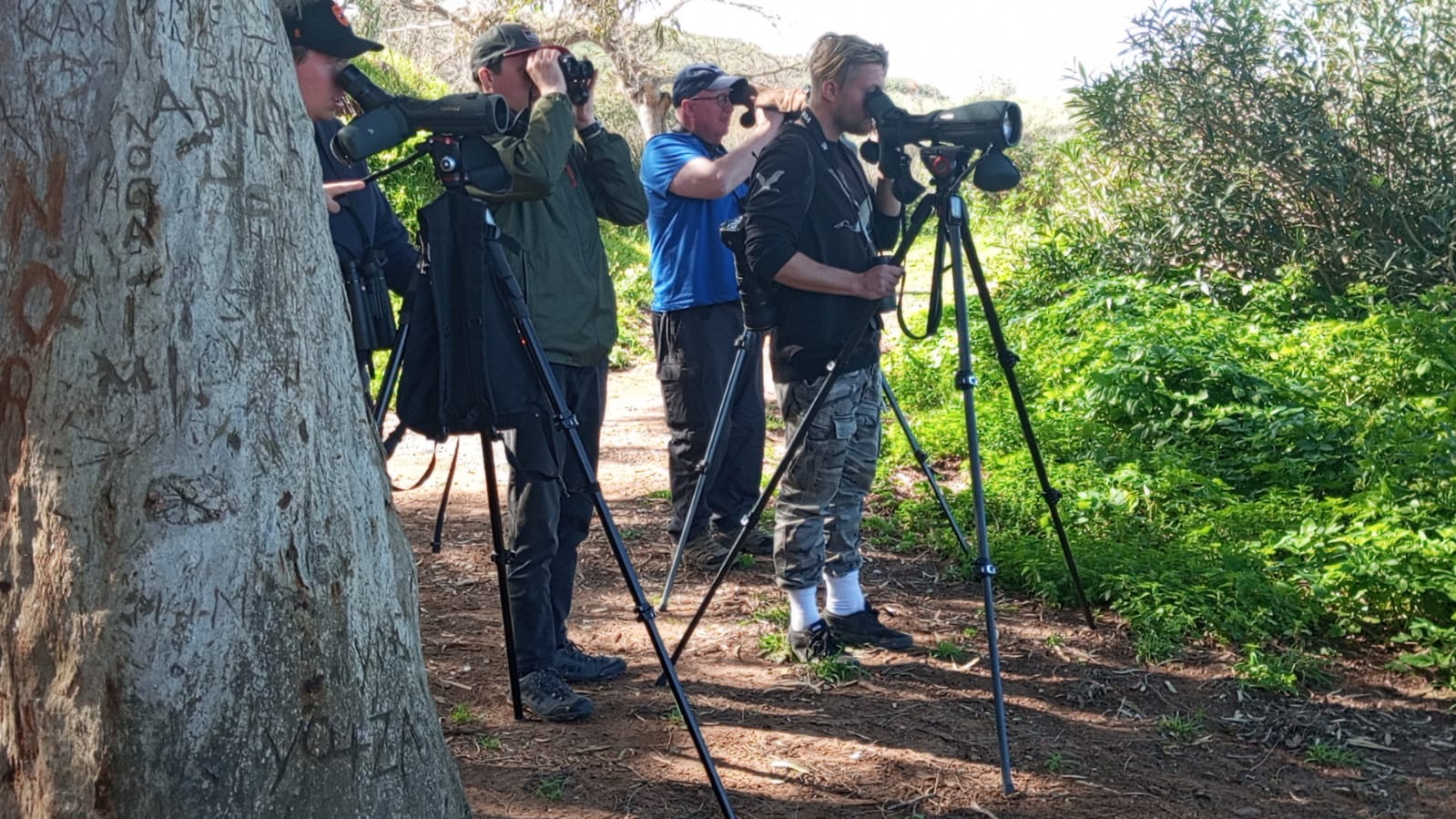
No. A Morocco birding safari can work for complete beginners as well as experienced birders.
If you are new to birdwatching, you will probably spend more time learning how to identify species. That is part of the fun.
You will gradually learn to recognize birds by:
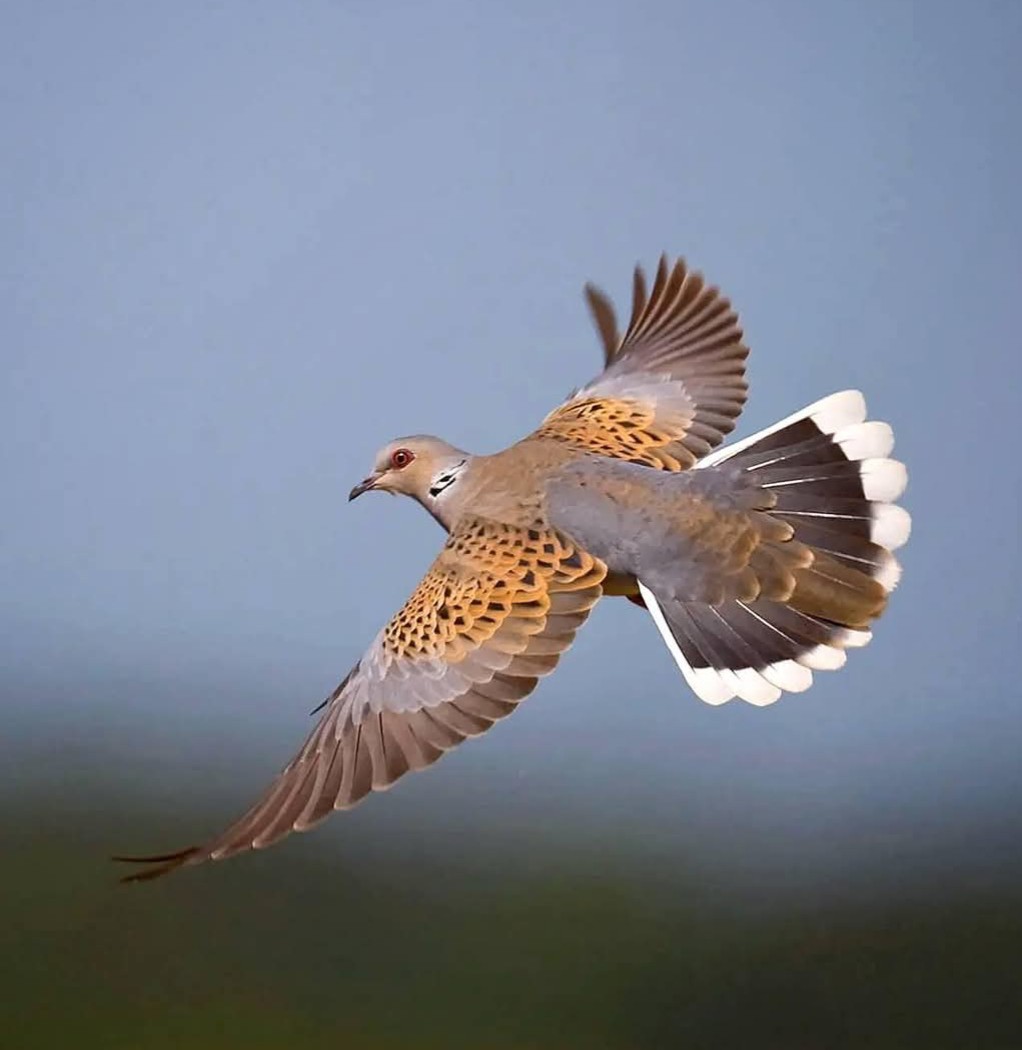
- Shape
- Size
- Color
- Flight
- Habitat
- Calls
- Behavior
You do not need to know the names of hundreds of species before arriving. In fact, Morocco can be a great place to develop your birding skills because the habitats are so varied.
What Should You Pack?
You do not need specialized expedition equipment, but a few items make a major difference.
Binoculars
A good pair of binoculars is the most important piece of birding equipment.
For general birdwatching, 8x or 10x binoculars are both practical choices.
Field Guide or Birding App
Bring a reliable identification resource covering North African or Western Palearctic birds.
A digital app can be particularly useful for comparing calls and checking similar species.
Camera
A camera is optional, but many travelers quickly discover that they want photographs of their sightings.
A telephoto lens is useful for small or distant birds.
Clothing
Layering is important.
Mountain mornings can be cold while desert afternoons can become extremely hot.
Bring:
- Lightweight layers
- Warm clothing for high elevations
- Hat
- Sunglasses
- Comfortable walking shoes
- Sun protection
Water
Always carry sufficient drinking water, particularly during desert and southern birding.
Is Birding Physically Difficult?
Most Morocco birding safaris do not require serious mountaineering or long-distance hiking.
However, the physical demands vary depending on the itinerary.
Some birding involves walking on:
- Rocky terrain
- Uneven desert ground
- Mountain slopes
- Sandy surfaces
- Gravel tracks
You may also spend long periods standing or walking slowly.
The most important thing is to choose an itinerary appropriate for your fitness level.
A good safari should not feel like a race.
Birdwatching often rewards slow movement and patience.
FAQ's
Is Morocco good for a birding safari?
Yes. Morocco offers an unusual combination of mountain, forest, desert, wetland, and coastal habitats, allowing travelers to encounter very different bird communities during one trip.
How many birds can I see on a Morocco birding safari?
There is no guaranteed number. A short trip focused on one region will naturally produce fewer species than a 10–14 day itinerary covering several ecosystems. Season, weather, habitat, and birding experience also make a significant difference.
What are the main birds to see in Morocco?
Some of the most sought-after species include Northern Bald Ibis, Moussier’s Redstart, Levaillant’s Woodpecker, Desert Sparrow, Atlas Wheatear, Cream-coloured Courser, Pharaoh Eagle-Owl, and Crimson-winged Finch.
Is Morocco suitable for beginner birdwatchers?
Yes. You do not need advanced bird identification skills to enjoy a birding safari. A knowledgeable guide can help beginners learn species, calls, habitats, and observation techniques throughout the trip.
Is bird photography possible on a Morocco birding safari?
Yes. Many habitats offer excellent photographic opportunities. However, photographers should expect to spend more time waiting in productive locations and should always prioritize the welfare of the birds.
A Morocco birding safari is ultimately an adventure through several very different worlds. You can begin among the peaks and rocky slopes of the Atlas Mountains, continue through cedar forests and dramatic southern valleys, search the open desert for specialized species, and finish beside Atlantic wetlands filled with waterbirds. The variety is what makes the country so rewarding: you are not simply looking for birds, but discovering how different species have adapted to mountains, forests, oases, deserts, rivers, and coastal ecosystems.