
What to Pack for a Morocco Birding Tour: The Complete Guide
Knowing what to pack for a Morocco birding tour can make a surprisingly big difference to your experience in the field. Morocco’s birding habitats are incredibly diverse, and the conditions can change dramatically during the same trip. You might begin the morning in a cold mountain forest, spend the afternoon crossing a dry valley, and finish the day watching birds around a desert oasis.
That means packing for birdwatching in Morocco is not simply about bringing binoculars and a camera. You need to think about weather, altitude, walking conditions, sun exposure, dust, photography, comfort, and the specific regions on your itinerary.
A birding trip through the Atlas Mountains, Sahara, Middle Atlas forests, and Atlantic wetlands requires a more flexible packing list than a short city break. The good news is that you do not need to bring your entire house with you. With the right essentials and a few carefully chosen extras, you can stay comfortable without carrying unnecessary weight.
This guide explains exactly what to pack for a Morocco birding tour, including birding equipment, clothing, photography gear, personal items, and practical extras for different habitats.
What to Pack for a Morocco Birding Tour at a Glance
Before getting into the details, your core packing list should include:
- Binoculars
- Comfortable walking shoes
- Lightweight, breathable clothing
- Warm layers for mountain mornings
- Sun hat and sunglasses
- High-SPF sunscreen
- Reusable water bottle
- Small daypack
- Field guide or bird identification app
- Camera and telephoto lens if you photograph birds
- Spare batteries and memory cards
- Power bank
- Headlamp or small flashlight
- Personal medication and basic first-aid items
- Dust protection for cameras and electronics
- Passport and travel documents
The exact amount of clothing and equipment depends on your season and itinerary.
A trip focused mainly on the Sahara will require different preparation from a tour combining the Atlantic coast, Middle Atlas, High Atlas, and desert.
1. Binoculars: Your Most Important Birding Equipment
If you bring only one piece of specialist birding equipment, make it a good pair of binoculars.
Birds can be surprisingly distant in Morocco’s open landscapes. A Desert Sparrow in desert vegetation, a raptor circling above a valley, or a small passerine moving through cedar branches may be difficult to identify without adequate optics.
For general birdwatching, 8x or 10x binoculars are both practical choices.
8x vs. 10x Binoculars
An 8x binocular generally provides:
- A wider field of view
- Easier tracking of moving birds
- A steadier image
- Comfortable viewing for longer periods
A 10x binocular provides:
- More magnification
- Better detail at greater distances
- Useful performance in open habitats
If you are a beginner, 8x binoculars can be particularly comfortable. Experienced birders may prefer 10x, especially for desert and mountain environments.
Whatever you choose, make sure you are already comfortable using them before arriving in Morocco.
2. A Field Guide or Birding App
Morocco has enough bird diversity that you will quickly find yourself comparing similar species.
A field guide covering Morocco, North Africa, or the Western Palearctic can be extremely useful.
A birding app is also convenient because you can carry an identification reference, distribution information, and sometimes bird calls on your phone.
However, do not rely entirely on your phone.
Some birding locations are remote, and mobile coverage may be limited.
Download any maps, bird references, or identification resources you may need before leaving your accommodation.
3. Comfortable Walking Shoes
Good footwear is one of the most important practical items to pack.
Birding does not always happen on paved paths.
You may walk across:
- Rocky mountain trails
- Gravel plains
- Desert tracks
- Sandy ground
- Forest paths
- Wetland edges
- Uneven agricultural terrain
Choose shoes that you have already worn and know are comfortable.
For most itineraries, lightweight hiking shoes or sturdy walking shoes are a good compromise.
Heavy mountaineering boots are usually unnecessary unless your specific itinerary includes demanding mountain walks.
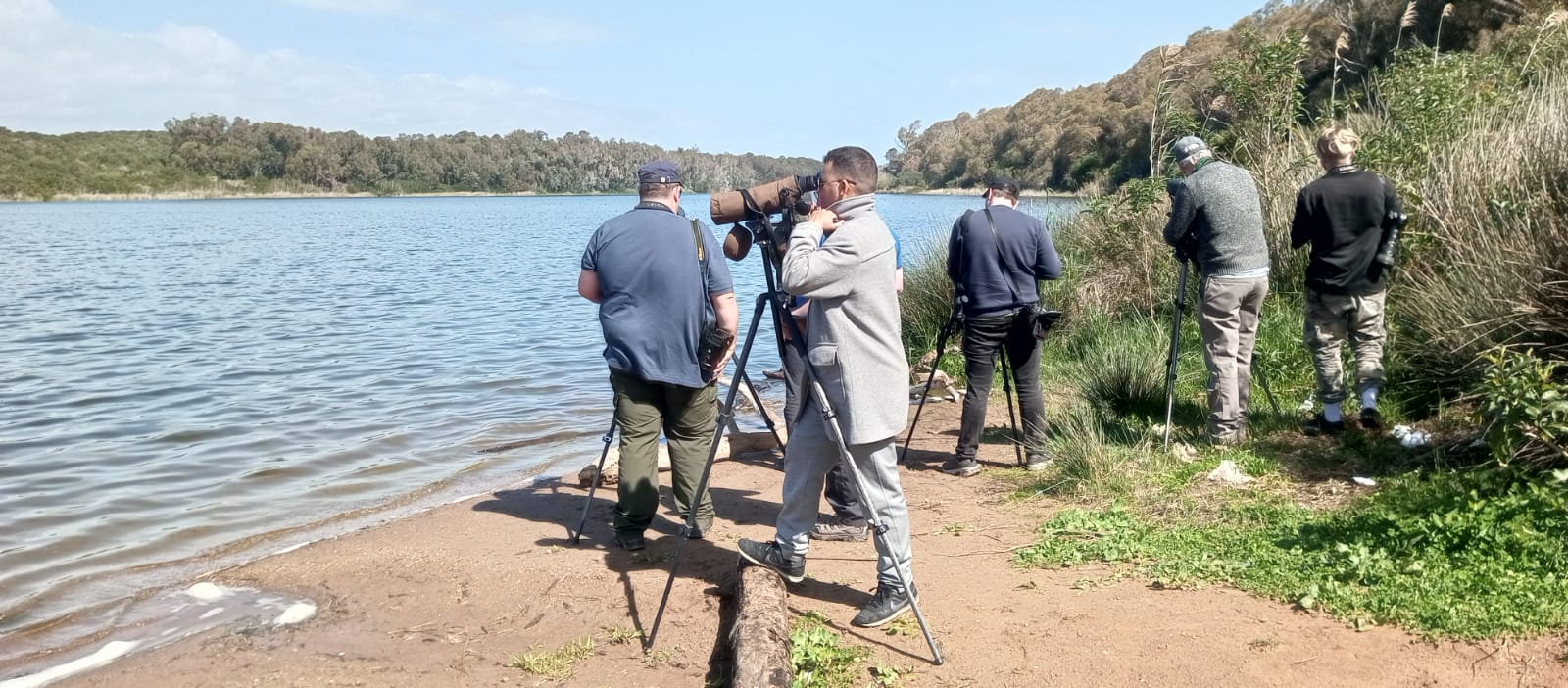
4. Layered Clothing Is Better Than One Heavy Jacket
One of the biggest packing mistakes for Morocco is assuming that the country is always hot.
It is not.
Mountain mornings can be surprisingly cold, particularly at higher elevations, while temperatures in the Sahara and southern Morocco can become very high during the day.
The solution is layers.
A practical system might include:
- Lightweight base layer
- Long-sleeved shirt
- Fleece or light sweater
- Lightweight windproof jacket
- Warmer outer layer for colder mountain conditions
This allows you to adjust your clothing throughout the day without carrying several bulky jackets.
If your tour includes the High Atlas or Middle Atlas, take the possibility of cold mornings seriously.
5. Lightweight Trousers
For birding, comfortable trousers are generally more practical than shorts.
Lightweight hiking trousers provide protection from:
- Sun
- Dust
- Insects
- Thorny vegetation
- Rough terrain
Convertible trousers can also be useful if you want the option of switching between trousers and shorts.
For desert birding, long trousers are particularly practical because they protect your legs from sand, vegetation, and intense sun.
6. Long-Sleeved Shirts
A lightweight long-sleeved shirt can be one of the most useful items in your bag.
It protects you from the sun without requiring you to constantly reapply sunscreen to your arms.
Choose breathable fabrics that dry quickly.
Neutral or natural colors are also a sensible choice for wildlife watching.
You do not need specialist camouflage clothing.
Simply avoid extremely bright colors if you are spending long periods close to wildlife.
7. Sun Protection Is Essential
Morocco receives strong sunlight, particularly in open desert and southern landscapes.
Pack:
- Sunscreen
- Sunglasses
- Sun hat
- Lip balm with sun protection
- Lightweight long-sleeved clothing
A wide-brimmed hat can provide more protection than a standard baseball cap, especially during long periods of stationary birding.
Remember that you can still receive significant sun exposure on cloudy days.
8. A Reusable Water Bottle
Water should be part of your daily birding equipment.
This is particularly important in the Sahara, southern valleys, and other dry environments.
A reusable bottle is practical and reduces the need to purchase multiple disposable bottles.
For longer field sessions, consider carrying enough water for the duration of the outing rather than assuming you will immediately find somewhere to buy more.
Your guide will normally advise you about water requirements for specific sections of the itinerary.
9. A Small Birding Daypack
You need something large enough for your essentials but small enough to carry comfortably while walking.
A good daypack can hold:
- Binoculars
- Water
- Snacks
- Jacket
- Sunscreen
- Field guide
- Camera accessories
- Power bank
- Personal items
Avoid bringing a huge backpack into the field unless you genuinely need it.
The lighter your daypack, the easier it is to concentrate on birding.
10. Camera and Photography Equipment
If you enjoy wildlife photography, Morocco offers exceptional opportunities.
The website’s birding routes cover environments ranging from Sahara dunes and desert habitats to Atlas forests and Atlantic wetlands, giving photographers very different backgrounds and lighting conditions to work with.
For bird photography, the most important item is usually a telephoto lens.
Depending on your camera system, a lens around 400–600mm can be very useful.
A telephoto zoom can be particularly versatile because birds may appear at very different distances.
Don’t Forget Spare Batteries
Bird photography can consume batteries quickly, particularly when using:
- Continuous autofocus
- High-speed shooting
- Image stabilization
- Electronic viewfinders
- Video
Carry at least one spare battery.
For longer trips, carrying several fully charged batteries is even better.
Bring Extra Memory Cards
Birds move quickly.
When a rare species finally appears, you do not want to stop because your memory card is full.
High-capacity cards are useful, but having a second card is also important in case the primary card fails.
Discover Morocco Through Birdwatching
Discover Morocco’s best birdwatching destinations with expert-guided tours designed for bird lovers, photographers, and wildlife enthusiasts.
11. Protect Your Camera From Dust
This becomes especially important if your Morocco birding tour includes the Sahara.
Sand and fine dust can find their way into almost everything.
Try to avoid changing lenses unnecessarily in exposed desert environments.
Useful items include:
- Camera rain/dust cover
- Microfiber cloth
- Lens cleaning kit
- Small protective pouch
- Zip bags for accessories
Do not place your camera directly on sand.
When you are not photographing, keep your equipment protected.
12. A Camera Beanbag or Support
If your birding tour involves vehicle-based observation, a small beanbag can be extremely useful.
It provides stable support for a long lens while allowing you to photograph through a vehicle window.
A full tripod is not always practical when you are moving frequently between locations.
A monopod can be another good compromise, particularly for longer lenses.
The right choice depends on how much walking and vehicle-based birding your itinerary includes.
13. Headlamp or Small Flashlight
A small headlamp is easy to overlook but can be surprisingly useful.
Birding days often begin early, and you may leave accommodation before sunrise.
It can help with:
- Finding equipment in your bag
- Walking around accommodation before dawn
- Checking camera settings
- Moving safely around a campsite
- Returning after evening birding
A headlamp also keeps both hands free.
14. Power Bank and Charging Equipment
Long birding days mean long periods away from your hotel.
Pack:
- Phone charger
- Camera chargers
- Power bank
- Appropriate charging cables
A compact power bank is especially useful for keeping your phone available for maps, communication, photography, and bird identification.
Before leaving your accommodation each morning, make charging part of your routine.
15. Snacks for Early Starts
Birding often starts before a conventional breakfast time.
If you are leaving very early, carry something simple:
- Nuts
- Dried fruit
- Energy bars
- Crackers
- Fruit
- Sandwiches
Do not rely on finding food immediately when you arrive at a remote birding site.
A small snack can also prevent fatigue during long morning sessions.
16. Personal Medication and a Small First-Aid Kit
Bring any medication you regularly use.
It is also sensible to carry a basic personal first-aid kit containing items such as:
- Plasters
- Blister treatment
- Antiseptic wipes
- Pain relief medication
- Any personal medication
- Hand sanitizer
Blisters are particularly annoying on a birding trip because you may spend several hours walking.
This is another reason to wear your walking shoes before the trip.
17. Insect Protection
You may not need heavy insect protection everywhere in Morocco, but it is useful to carry basic supplies.
Consider:
- Insect repellent
- Lightweight long trousers
- Long-sleeved shirts
Wetland and oasis environments can have different conditions from dry mountain and desert habitats.
A small bottle of repellent takes up almost no space, so it is worth packing.
18. What to Pack for the Sahara
If your Morocco birding tour includes the Sahara, add a few desert-specific items.
Bring:
- Extra water capacity
- Sun hat
- Sunglasses
- High-SPF sunscreen
- Lightweight long sleeves
- Dust protection for electronics
- Lip balm
- Comfortable closed shoes
- Small towel or scarf for dust
A lightweight scarf can be surprisingly useful for protecting your face and neck from sun and blowing dust.
You do not need to pack excessive amounts of clothing for the desert.
Instead, focus on breathable layers and protection from the elements.

19. What to Pack for the Atlas Mountains
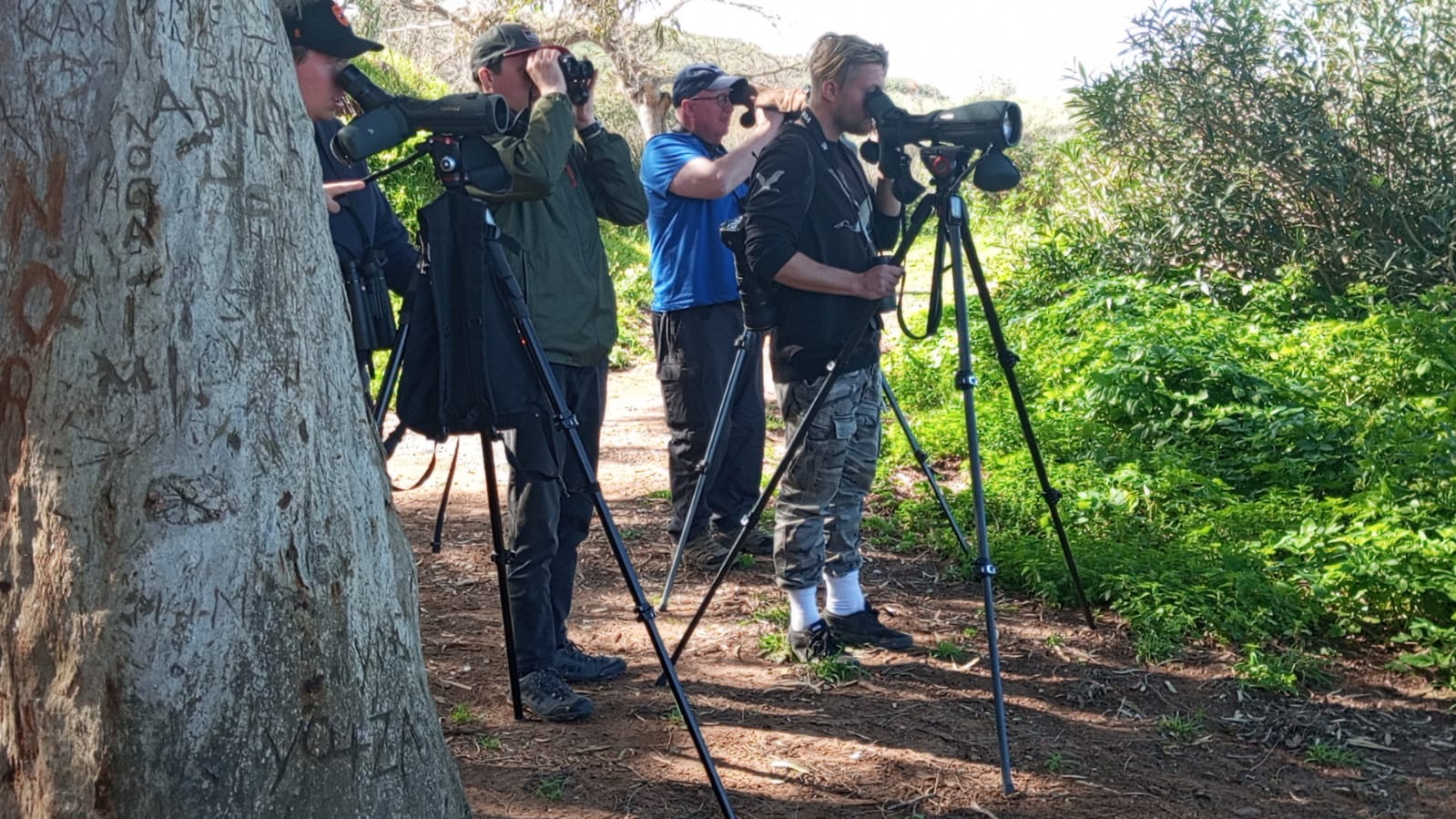
The mountains require a different approach.
Temperatures can be much lower than you expect, particularly early in the morning and at higher elevations.
Pack:
- Warm fleece
- Lightweight insulated jacket
- Long trousers
- Comfortable hiking shoes
- Warm socks
- Gloves if traveling during colder months
- Hat or beanie
You may remove layers as the sun rises.
This is exactly why a layered system works so well.
The High Atlas is one of the key birding environments on the website, with species such as Moussier’s Redstart, Atlas Wheatear, and Crimson-winged Finch associated with higher elevations.
20. What to Pack for Cedar Forest Birding
The Middle Atlas forests around Azrou and Ifrane can feel very different from the desert.
For forest birding, prioritize:
- Comfortable walking shoes
- Lightweight waterproof layer if rain is possible
- Neutral clothing
- Binoculars
- Camera with a fast lens if photographing woodland birds
- Small daypack
A Levaillant’s Woodpecker may spend time moving through trees, so patience and good optics are more important than carrying lots of extra equipment.
21. What to Pack for Atlantic Wetlands
Wetland birding requires some additional considerations.
Pack:
- Waterproof or water-resistant outer layer
- Binoculars
- Telephoto lens
- Sun protection
- Comfortable shoes
- Small towel or microfiber cloth
- Field guide
A lens cloth is especially useful around coastal environments where humidity, sea spray, and dust can affect optics.
Atlantic wetlands and lagoons are important habitats for flamingos, spoonbills, gulls, waders, and migratory birds.
22. Don’t Forget Your Passport and Documents
This sounds obvious, but it is worth mentioning.
Keep your:
- Passport
- Travel insurance information
- Accommodation details
- Tour confirmation
- Emergency contact information
- Copies of important documents
secure and accessible.
A digital backup stored securely on your phone or cloud account can also be useful.
You do not need to carry your entire travel file while walking in the field.
Keep only what you actually need.
23. What Not to Pack
Overpacking can make a birding trip less enjoyable.
You probably do not need:
- Several pairs of heavy shoes
- Multiple bulky jackets
- Large quantities of clothing
- Oversized camping equipment unless required
- Unnecessary electronic devices
- Large suitcases for short field trips
Remember that you will often move between locations.
A compact, organized bag makes transfers much easier.
24. Should You Wear Camouflage?
No.
You do not need full camouflage clothing for birdwatching in Morocco.
Natural, muted colors are perfectly adequate.
The more important factors are:
- Moving slowly
- Keeping a reasonable distance
- Avoiding sudden movements
- Using appropriate observation techniques
- Following your guide’s advice
Good fieldcraft matters much more than camouflage.
25. What Should Beginners Prioritize?
If this is your first birding tour, do not feel pressured to buy expensive equipment before you travel.
Start with the essentials:
First priority: binoculars.
Second priority: comfortable shoes.
Third priority: sun protection and suitable clothing.
Fourth priority: field guide or birding app.
Fifth priority: camera equipment if photography is important to you.
A beginner with good binoculars, comfortable clothing, and plenty of patience can have a fantastic experience.
You do not need a professional camera or a huge spotting scope to enjoy Morocco’s birds.
26. Adjust Your Packing List to Your Itinerary
Your final packing list should reflect the route you choose.
For example, a shorter trip combining the Atlas and Sahara can require both warm mountain layers and desert sun protection. The existing 5 Days Morocco Atlas & Sahara Birding Tour from Marrakech is designed around exactly this kind of habitat contrast.
For a broader trip, the 8 Days Morocco Atlas, Sahara & Middle Atlas Birding Tour from Marrakech adds the cedar forests and gives you another reason to prepare for changing temperatures and terrain.
If your priority is the southern ecosystems, the 9 Days Morocco Birding Tour — Anti-Atlas, Sahara Edge & Souss Region combines desert-edge habitats with the Souss region and requires a similarly versatile approach.
For a comprehensive birding holiday, the 14 Days Morocco Birding Tour — Atlas, Sahara Edge & Souss Region allows more time across different environments, so packing for multiple climate zones becomes particularly important.
The key principle is simple: pack for the habitats you will actually visit, not for an imaginary “Morocco climate.”
27. A Simple Daily Birding Checklist
Before leaving your accommodation each morning, quickly check:
- Binoculars
- Camera
- Telephoto lens
- Spare camera battery
- Memory card
- Water
- Snacks
- Sunscreen
- Hat
- Sunglasses
- Field guide/phone
- Power bank
- Lightweight jacket
- Personal medication
- Small first-aid items
- Lens cloth
This takes less than a minute and can prevent some frustrating mistakes.
FAQ's
What should I wear on a Morocco birding tour?
Layered clothing is the most practical choice. Bring lightweight, breathable clothes for warm areas and a fleece or light jacket for cool mornings, especially in the Atlas Mountains.
Do I need hiking boots for birdwatching in Morocco?
Not necessarily. Comfortable walking or lightweight hiking shoes are usually sufficient for many birding itineraries. If your specific route includes demanding mountain terrain, your tour operator can advise you on appropriate footwear.
What binoculars are best for birdwatching in Morocco?
Both 8x and 10x binoculars work well. Choose a pair that is comfortable, bright, and easy for you to use rather than simply choosing the highest magnification.
Do I need a spotting scope?
A spotting scope can be valuable for distant waterbirds and open habitats, but it is not essential for every traveler. On a guided tour, your guide may already have appropriate optics.
How much luggage should I bring?
Try to keep your luggage manageable. A main suitcase or travel bag plus a small birding daypack is usually a practical combination for a multi-day birding trip.
Can beginners join a Morocco birding tour?
Absolutely. Birding tours can accommodate different experience levels, and a knowledgeable guide can help beginners identify birds, understand habitats, and learn basic field techniques. Wild Bird Watching Morocco specifically states that its tours welcome complete beginners as well as experienced birders.
Knowing what to pack for a Morocco birding tour is mainly about preparing for variety. You may experience cold mountain mornings, warm desert afternoons, dusty tracks, forest trails, coastal wetlands, and long hours outdoors during the same journey, so flexible layers, comfortable footwear, sun protection, reliable binoculars, water, and a practical daypack should form the foundation of your packing list. If photography is important, add a suitable telephoto lens, spare batteries, memory cards, and basic protection against dust and moisture. Most importantly, avoid overpacking and focus on equipment that you will genuinely use in the field.
With the right preparation, you can spend less time worrying about what you brought and more time watching Morocco’s remarkable birds—from Moussier’s Redstart and Levaillant’s Woodpecker in the mountains to Desert Sparrow in the Sahara and flamingos along the Atlantic coast.